
TL;DR
Recent developments highlight how engineering concepts are being applied to self-improvement. Experts see this as a promising approach, though its long-term effectiveness remains under study.
Recent initiatives and startups are applying engineering principles to self-improvement practices, aiming to optimize personal development through structured, data-driven approaches. This emerging trend is gaining attention from experts and users alike, as it offers a new framework for achieving mental, physical, and emotional growth.

Give the gift of listening to someone you love
- Choose a 1-, 3-, 6- or 12-month membership
- They pick the audiobooks they love
- Easy to send by email
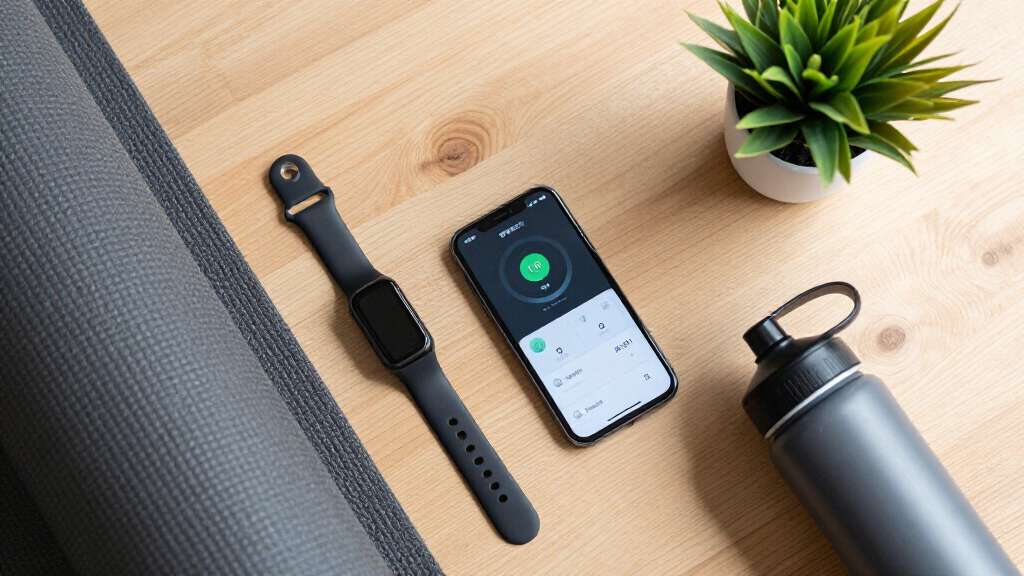
Multiple startups and individual practitioners are integrating engineering methodologies such as systems analysis, feedback loops, and algorithmic tracking into self-improvement routines. These approaches often involve wearable devices, mobile apps, and personalized data analytics to monitor progress and adjust strategies in real-time.
According to industry analysts, this movement is rooted in the broader adoption of technology-driven self-management seen in areas like fitness, mental health, and productivity. Companies like NeuroTech and MindMetrics have developed platforms that apply engineering concepts to optimize cognitive and emotional states, claiming improved outcomes for users.
Experts caution that while initial results are promising, long-term efficacy and potential risks of over-reliance on engineered systems for self-improvement are still being studied. Researchers emphasize the importance of balancing technological tools with traditional self-awareness practices.
Potential Impact of Engineering-Based Self-Improvement
This trend could revolutionize how individuals approach personal development by providing more precise, measurable, and customizable strategies. If validated, engineering methods could lead to more effective self-management, increased productivity, and better mental health outcomes. However, there are concerns about data privacy, over-dependence on technology, and the need for evidence-based practices.
Products Worth Considering

Withings Sleep – Sleep Tracking Pad Under the Mattress with Sleep Cycle

Garmin Forerunner 165 GPS Running Smartwatch, 43 mm, Black

Garmin Forerunner 265 GPS Running Smartwatch, 46 mm, Black/Powder Gray
As an affiliate, we earn on qualifying purchases.
Growing Intersection of Technology and Personal Growth
The concept of applying engineering principles to self-improvement has gained momentum over the past year, driven by advances in wearable tech, AI, and data analytics. Early pioneers include health tech startups that use algorithms to personalize fitness routines and mental health interventions. This approach aligns with broader trends in quantified self-movement and digital health.
Historically, self-improvement has relied on subjective methods like journaling or therapy, but recent technological innovations enable more objective, data-driven strategies. Experts note that this shift reflects a desire for more scientific, scalable solutions to personal development challenges.
“Integrating engineering principles into self-improvement offers a promising way to quantify progress and tailor interventions, but we need more rigorous research to establish long-term benefits.”
— Dr. Laura Chen, Behavioral Scientist
Unverified Claims and Long-Term Effectiveness Still Under Study
While early adopters report positive outcomes, there is limited peer-reviewed evidence confirming the long-term effectiveness of engineering-based self-improvement methods. Some experts warn against over-reliance on technology without sufficient scientific validation. Data privacy concerns also remain unresolved, as many platforms collect sensitive personal information.
Ongoing Research and Broader Adoption Expected
Researchers are conducting longitudinal studies to evaluate the long-term impacts of engineering-driven self-improvement approaches. Meanwhile, more startups are entering the space, and mainstream adoption may grow as tools become more validated and accessible. Regulatory frameworks and best practices are likely to evolve in response to this emerging field.
Key Questions
How do engineering principles improve self-improvement?
They introduce structured methods such as systems analysis, feedback loops, and data-driven adjustments to optimize personal growth efforts.
Are these methods scientifically proven?
Some early results are promising, but comprehensive scientific validation is still ongoing. Experts recommend cautious adoption until more evidence is available.
What tools are used in engineering-based self-improvement?
Wearables, mobile apps, AI algorithms, and personalized data analytics are common tools to monitor and guide progress.
Are there risks associated with this approach?
Potential risks include over-dependence on technology, data privacy issues, and the possibility of ineffective or unvalidated interventions.
Will this replace traditional self-development methods?
Most experts see it as a complement rather than a replacement, integrating with existing practices like therapy, meditation, and journaling.
Source: hn