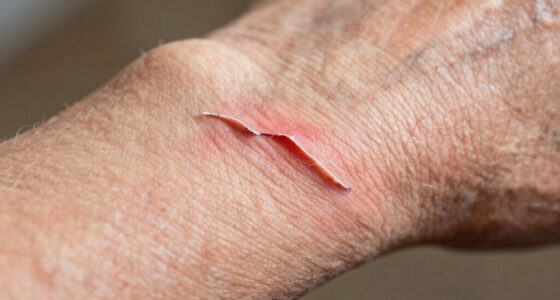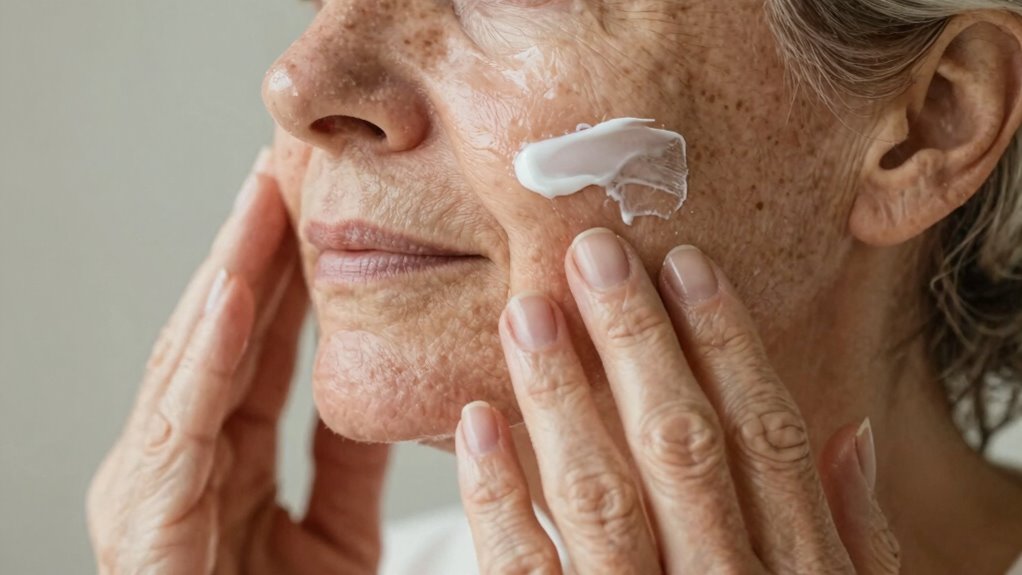

As you age, your skin’s moisture barrier plays a vital role in preventing dryness, irritation, and signs of aging. It’s the layer that controls water retention and defends against irritants and environmental damage. To keep it healthy, use gentle cleansers, hydrate with humectants like hyaluronic acid, and protect with antioxidants and barrier-strengthening ingredients like ceramides. Avoid harsh products and always wear sun protection. To discover more tips for maintaining a resilient skin barrier, keep exploring this essential skincare topic.
Key Takeaways
- The moisture barrier maintains skin hydration and protection, but weakens with age, leading to dryness and sensitivity.
- Use humectants, emollients, and antioxidants in skincare to support barrier repair and combat environmental damage.
- Daily habits like sun protection, hydration, and gentle cleansing help preserve skin resilience.
- Avoid harsh products, over-cleansing, and irritating ingredients that can damage the skin’s moisture barrier.
- Regular dermatologist consultations are essential if persistent irritation or damage occurs despite routine care.
What Is Your Skin’s Moisture Barrier: And Why It Matters as You Age
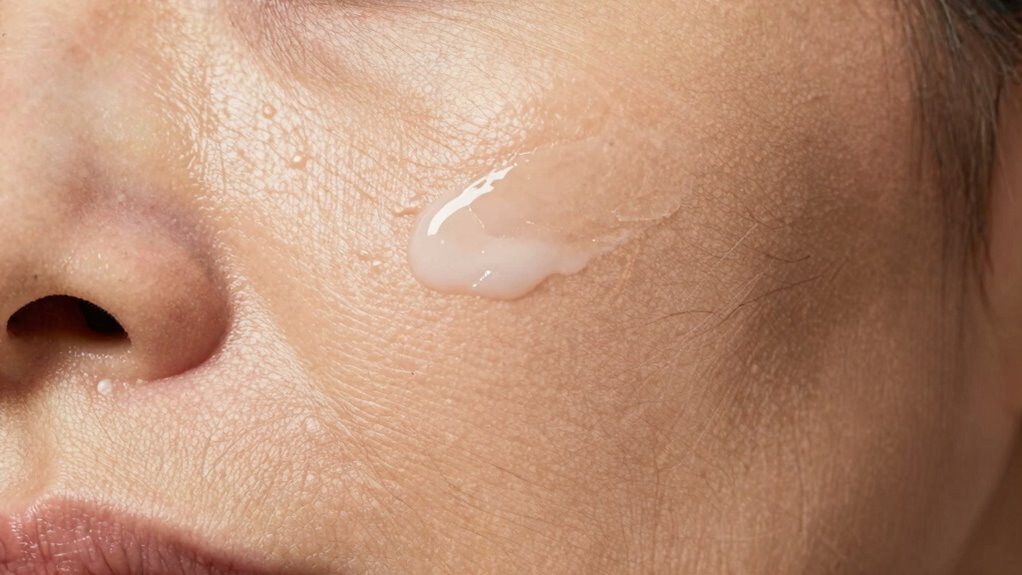
Have you ever wondered what keeps your skin hydrated and protected? It’s your skin’s moisture barrier, a crucial layer that controls barrier permeability and maintains balance. This barrier relies on your skin’s pH, which should stay slightly acidic—around 4.5 to 5.5—to defend against bacteria and irritants. As you age, the barrier’s function can weaken, making it more permeable and less effective at locking in moisture. When the skin’s pH shifts or the barrier becomes compromised, your skin can become dry, irritated, and more prone to damage. Understanding how your moisture barrier works helps you choose products that support its health, keeping your skin resilient, hydrated, and better equipped to face daily challenges. Incorporating natural skin defenses can further enhance your skin’s ability to resist environmental stressors and maintain its protective functions. Supporting the skin’s acid mantle can help preserve its natural pH and strengthen this vital barrier. Recognizing the impact of aging on your skin’s barrier can guide you in adopting targeted skincare strategies to maintain its integrity.
How to Recognize When Your Skin’s Barrier Is Damaged
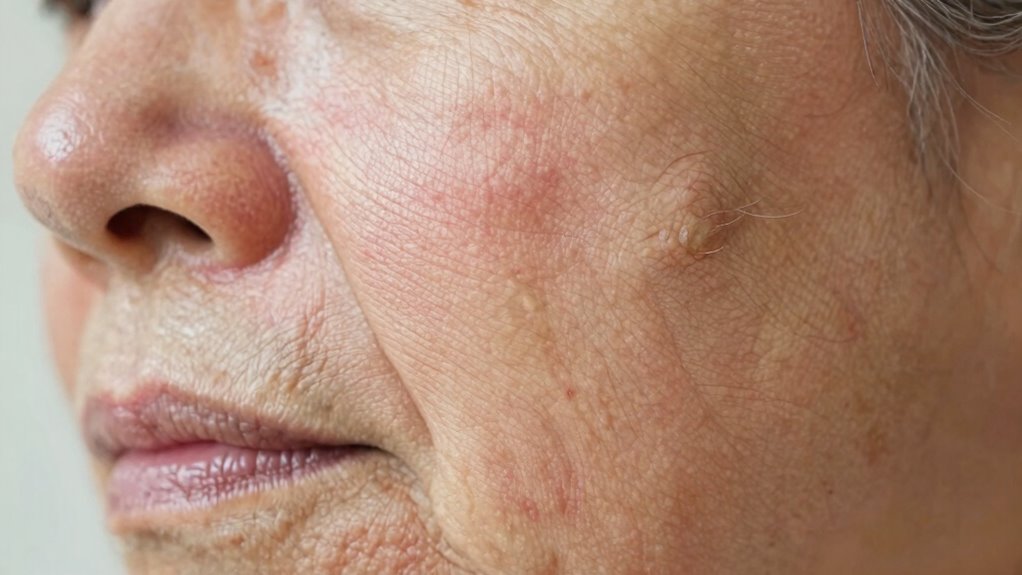
If your skin becomes more dry and flaky than usual, it might be a sign your barrier is compromised. You may also notice increased sensitivity, like stinging or redness after using certain products. Paying attention to these changes can help you identify when your skin needs extra care. Understanding your skin’s moisture barrier can guide you in choosing the right products and routines to restore its health. Incorporating gentle, hydrating home skincare routines can support the repair process and maintain your skin’s protective functions. Using moisture barrier-friendly products formulated for aging skin can further enhance your skin’s resilience and help create a more cozy, wellness-focused space that nurtures your overall well-being. Additionally, being aware of skin barrier damage signs can empower you to make informed decisions about your skincare routine.
Dryness and Flakiness
Dryness and flakiness are clear signs that your skin’s barrier may be compromised. When this happens, your skin struggles to retain moisture, leading to a rough, dull appearance. To protect your skin, prioritize consistent sun protection, as UV damage worsens barrier disruption. Your lifestyle habits also play a role—smoking, dehydration, and excessive alcohol intake can dry out your skin further. Pay attention to how your skin feels and looks; if it’s peeling, itchy, or tight, it’s a sign your barrier isn’t functioning properly. Proper hydration, gentle cleansing, and using emollients help restore moisture. Making these adjustments can improve your skin’s resilience and reduce dryness and flakiness, keeping your skin healthier and more comfortable. Using moisturizing agents specifically formulated for sensitive or compromised skin can further support barrier repair. Additionally, incorporating products with hydrating ingredients can enhance the skin’s ability to retain moisture effectively.
Increased Sensitivity
Noticing increased sensitivity in your skin can be a clear sign that your skin’s barrier is compromised. If your skin reacts more than usual to products, feels burning, or turns red easily, your moisture barrier might be damaged. Sensitive skin often results from a weakened barrier, making it more vulnerable to environmental triggers like pollution, wind, or harsh weather. You may also notice that everyday activities, such as washing your face or applying skincare, cause irritation. To identify these signs, pay close attention to how your skin reacts to different factors. Recognizing skin barrier damage can help you take proactive steps to protect and repair your skin’s health.
Effective Ingredients to Repair and Protect Your Skin Barrier in Older Adults
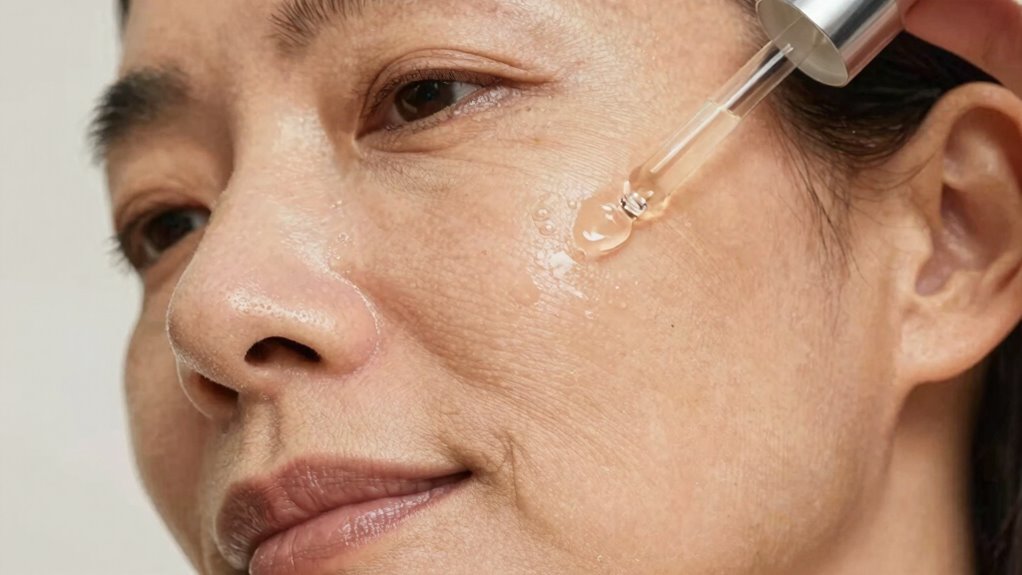
To repair and protect your skin barrier, look for ingredients that hydrate, such as humectants, which draw moisture into your skin. Emollients help strengthen and smooth your skin’s surface, while antioxidants defend against environmental damage. Incorporating these ingredients into your routine can make a noticeable difference in your skin’s health and resilience. Additionally, choosing products with low comedogenic ratings can help prevent breakouts and maintain clear skin. Moreover, selecting products that align with creative storytelling for branding can enhance your skincare routine’s appeal and effectiveness.
Hydrating Humectants for Skin
Hydrating humectants play a vital role in repairing and protecting your skin barrier as you age. These humectant ingredients attract water from the environment and deeper skin layers, boosting skin hydration and preventing dryness. Using products with effective humectants can help restore moisture balance and improve skin elasticity. Look for ingredients like glycerin, hyaluronic acid, urea, and aloe vera, which are known for their ability to lock in moisture. Incorporating these into your skincare routine guarantees your skin stays plump, smooth, and resilient. Understanding skin physiology can help you choose the most suitable ingredients for your individual needs. Additionally, selecting products with proper formulation ensures that humectants function effectively without causing irritation. It is also important to understand toilet flushing mechanisms to prevent issues like clogs and water waste, ensuring a well-functioning bathroom environment. Humectants work best when paired with occlusives, which form a protective barrier, but they are indispensable for maintaining ideal skin hydration and strengthening your moisture barrier over time.
Barrier-Repairing Emollients
As your skin ages, its natural barrier becomes more fragile and less effective at protecting against environmental damage. Barrier-repairing emollients help strengthen this barrier by restoring lipids and retaining moisture. Look for ingredients like ceramides, fatty acids, and glycerin, which support collagen synthesis and improve skin elasticity. When these components are present, your skin becomes more resilient, less prone to irritation, and better at holding moisture. Emollients do more than soften; they reinforce your skin’s protective layer, reducing the risk of further damage. Consistent application of these products encourages lipid restoration, which is essential for maintaining skin health. By consistently using barrier-repairing products, you help maintain your skin’s integrity, making it more resistant to external stressors. This leads to healthier, more resilient skin that looks and feels revitalized, even as you age.
Antioxidants for Skin Defense
Building on the importance of barrier repair, incorporating antioxidants into your skincare routine offers powerful protection for aging skin. Antioxidants like Vitamin C neutralize free radicals, which cause damage and accelerate aging. By defending against these harmful molecules, antioxidants help reduce the appearance of fine lines, wrinkles, and uneven tone. Using products rich in Vitamin C can brighten your skin and boost collagen production. Consistent antioxidant use strengthens your skin’s resilience against environmental stressors like pollution and UV rays. To maximize benefits, look for serums and creams that contain stable forms of Vitamin C. Antioxidant stability is key to maintaining their effectiveness over time.
Daily Habits to Support Your Skin’s Moisture Barrier and Hydration
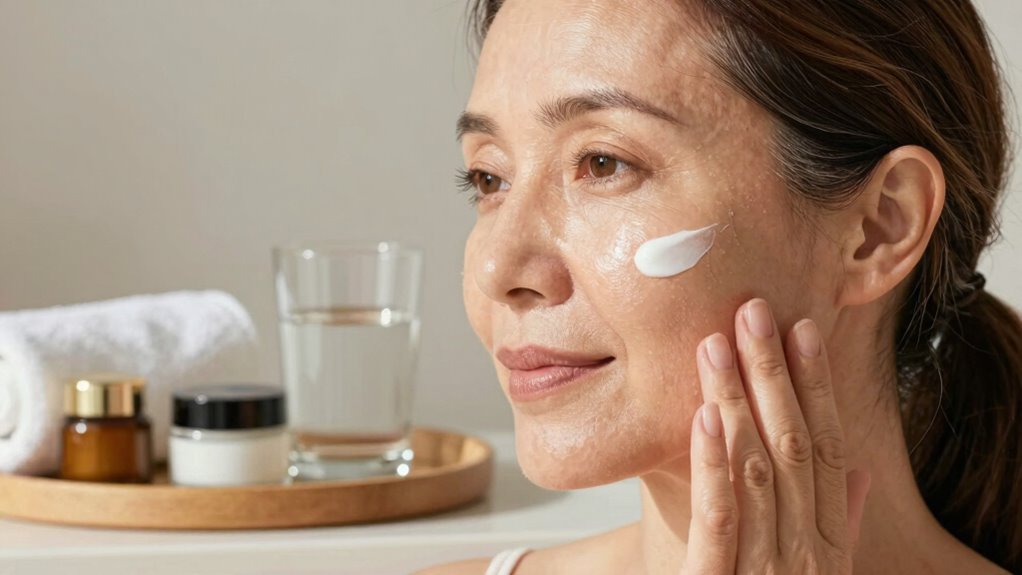
Maintaining your skin’s moisture barrier and hydration requires consistent daily habits. Prioritize good sleep hygiene by sticking to a regular schedule, avoiding screens before bed, and creating a cool, dark environment. Quality sleep helps your skin repair and retain moisture. Protect your skin from the sun daily by applying broad-spectrum sun protection, even on cloudy days, and wearing protective clothing. Sun damage weakens the moisture barrier and accelerates aging. Stay hydrated by drinking enough water throughout the day, and use gentle, hydrating cleansers that don’t strip natural oils. Incorporate a moisturizer suited for your skin type into your routine each morning and evening. These habits help strengthen your moisture barrier, keeping your skin supple, resilient, and well-hydrated over time.
Common Mistakes That Damage Your Skin Barrier: And How to Avoid Them
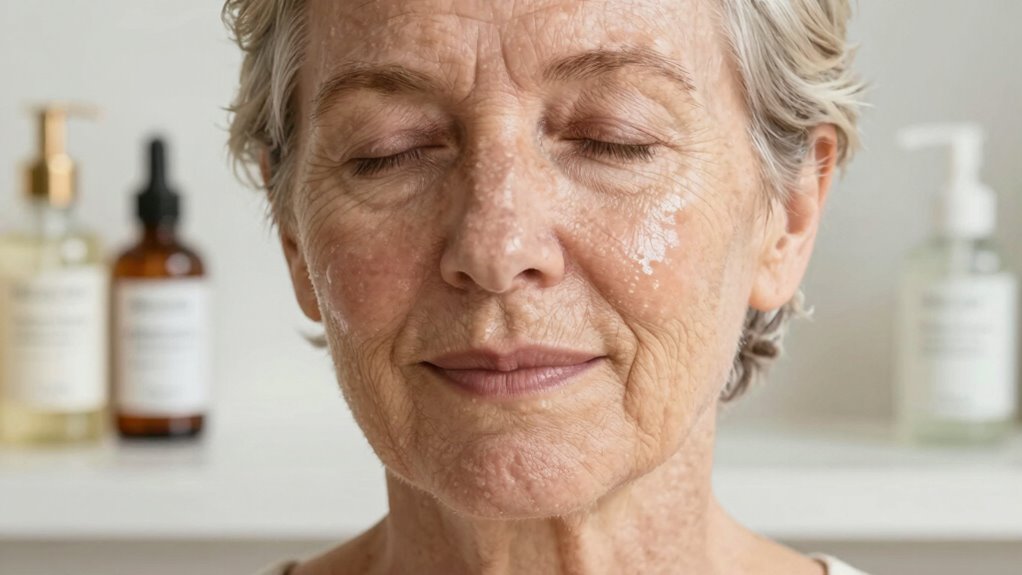
Many common skincare mistakes can damage your skin barrier, leading to dryness, irritation, and premature aging. One mistake is over-cleansing, which strips natural oils and weakens your skin’s protective layer. Using harsh products with alcohol or strong fragrances can also cause harm. Skipping sun protection exposes your skin to UV damage, accelerating aging and barrier breakdown. Additionally, inconsistent skincare routines or neglecting moisturizer can leave your skin vulnerable. To avoid these issues, stick to gentle cleansers, prioritize daily sun protection, and maintain a consistent skincare routine tailored for older skin. Proper habits help preserve your moisture barrier and keep your skin healthy and resilient as you age. Being mindful of skincare tools and techniques, such as avoiding harsh scrubbing, can further protect your skin’s delicate barrier. Incorporating hydration practices like drinking adequate water supports your skin’s natural ability to retain moisture and maintain barrier strength. Regularly monitoring your skin’s response can help identify early signs of barrier damage and prompt timely adjustments to your skincare routine. Paying attention to seasonal changes and how they affect your skin can also help you adapt your skincare to maintain barrier integrity year-round. Additionally, understanding the importance of proper cleansing methods can prevent unnecessary stripping of your skin’s natural protective oils.
When to See a Dermatologist About Skin Barrier Problems
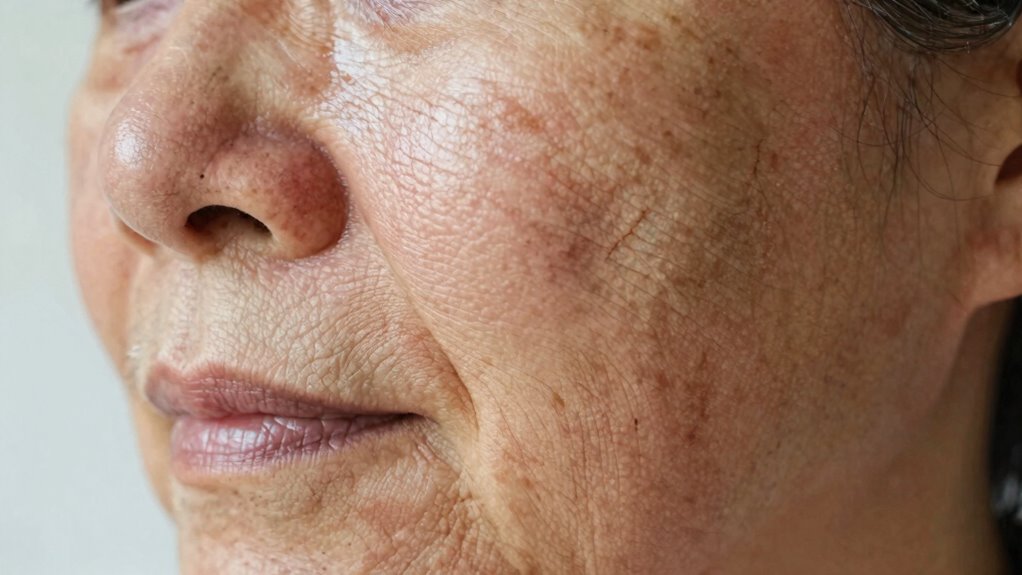
If you notice persistent redness, irritation, or your skin feels increasingly fragile despite following a proper skincare routine, it may be time to see a dermatologist. Especially if your skin isn’t responding to sun protection measures or skin exfoliation, professional advice can help identify underlying issues. A dermatologist can assess your skin’s health and recommend treatments or gentle products tailored for mature skin. They might suggest specialized moisturizers or barrier repair therapies to restore resilience. If irritation persists or worsens, don’t delay seeking help—untreated skin barrier problems can lead to infections or increased sensitivity. Addressing these concerns early ensures you maintain healthy, comfortable skin and prevent further damage as you age.
Frequently Asked Questions
How Can I Tell if My Moisturizer Is Harming My Skin Barrier?
If your moisturizer is harming your skin barrier, you’ll notice irritation signs like redness, itching, or burning. Review its ingredients to spot potential irritants like fragrances or alcohol. If these symptoms appear after applying, stop using it and switch to a gentle, barrier-friendly product. Pay attention to how your skin reacts over time; persistent discomfort indicates your moisturizer may not be suitable.
Are There Specific Skincare Routines for Different Skin Types in Older Adults?
Imagine tailoring your skincare routine like dressing for the weather—your skin type guides the choice. Whether your skin is dry, oily, or sensitive, personalized routines help maintain your moisture barrier and overall health. Use gentle cleansers for sensitive skin, lightweight moisturizers for oily skin, and richer creams for dry skin. By adjusting your routine to your skin type, you make certain your skin stays balanced, protected, and radiant.
Can Diet Impact the Health of My Skin’s Moisture Barrier?
Yes, your diet can impact your skin’s moisture barrier. Nutritional supplements rich in omega-3s, antioxidants, and vitamins support skin health, helping maintain hydration. Additionally, following hydration strategies like drinking plenty of water keeps your skin moisturized from within. Eating a balanced diet with healthy fats, fruits, and vegetables, combined with supplements if needed, strengthens your skin’s barrier, reducing dryness and improving overall skin resilience.
How Does Environmental Exposure Affect Aging Skin’s Barrier Function?
Environmental exposure, like UV damage and pollution effects, considerably weakens your aging skin’s barrier function. UV rays break down collagen and impair skin cells, leading to dryness and wrinkles. Pollution introduces free radicals that accelerate aging and cause inflammation. Protect your skin daily with sunscreen and antioxidants, and minimize exposure to harsh environments to maintain your moisture barrier and keep your skin healthier and more resilient over time.
Are There Natural Remedies to Strengthen the Skin’s Moisture Barrier?
Imagine your skin as a fortress, with herbal oils like olive or jojoba acting as strong walls that seal in moisture. You can also use hydrating masks to reinforce this barrier, much like a protective shield. These natural remedies help nourish your skin, making it more resilient against environmental stressors. Incorporate herbal oils and hydrating masks into your routine regularly to naturally strengthen and maintain your skin’s moisture barrier.
Conclusion
Protecting your skin’s moisture barrier is a powerful, protective practice. By brushing off bad habits, boosting with beneficial ingredients, and building a barrier of care, you can banish dryness and damage. Remember, your skin’s shield is a delicate but durable defender—so nurture it with knowledge and kindness. Stay vigilant, stay vibrant, and let your skin’s moisture barrier be your beautiful, barrier-brimming badge of brilliance.