
To stay safe from falls, choose shoes with proper support, good grip, and a comfortable fit. Look for non-slip soles, breathable materials, and firm soles that match your walking surface. Regularly inspect and replace worn shoes to prevent slips. Always test new footwear for stability and comfort before buying. Following simple shoe rules like these can prevent accidents during daily walks—continue to see how you can keep your steps safer every day.
Key Takeaways
- Choose shoes with non-slip soles and proper grip for various surfaces.
- Ensure a good fit with adequate support and cushioning to prevent slips and trips.
- Regularly inspect and replace worn-out shoes to maintain safety.
- Test footwear comfort and stability before purchasing or walking long distances.
- Avoid trendy shoes with slick bottoms, especially in hazardous or uneven environments.
As an affiliate, we earn on qualifying purchases.
What Features Make Shoes Safe for Walking and Fall Prevention
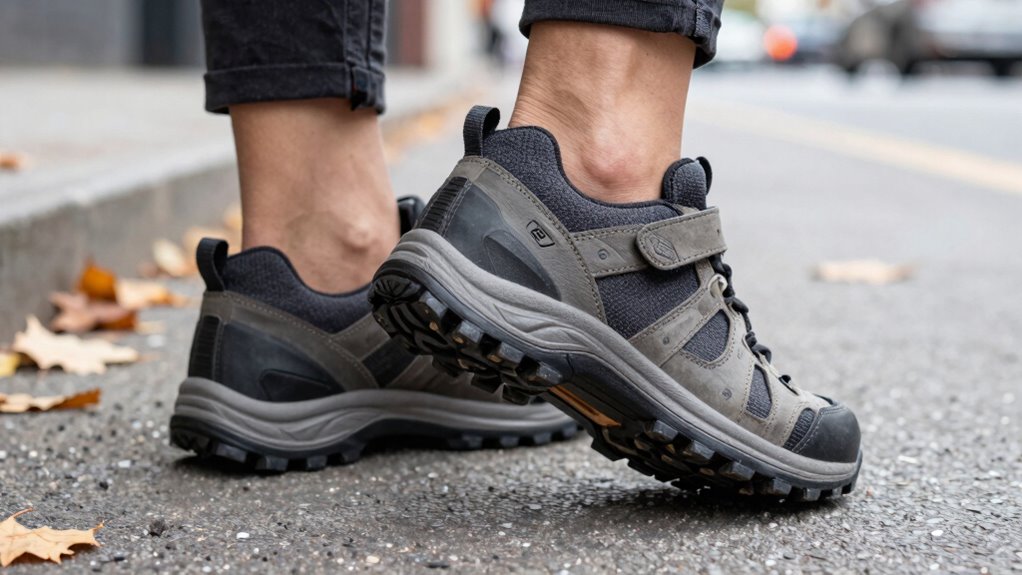
When choosing shoes that help prevent falls, several key features can make a significant difference. One important aspect is the shoe material. You want durable, flexible materials like leather or sturdy mesh that provide stability without sacrificing comfort. The material should also allow your feet to breathe, reducing fatigue. Aesthetic design matters too; opt for a style that encourages confidence and suits your personal taste, making it more likely you’ll wear them regularly. Look for shoes with a supportive structure that fits well, avoiding overly tight or loose options. Proper shoe features can significantly enhance safety and prevent slips in various environments. Additionally, selecting shoes with non-slip soles can further reduce the risk of falls on slick surfaces.
supportive shoes for fall prevention
As an affiliate, we earn on qualifying purchases.
As an affiliate, we earn on qualifying purchases.
How to Choose Shoes With Good Traction and Proper Support
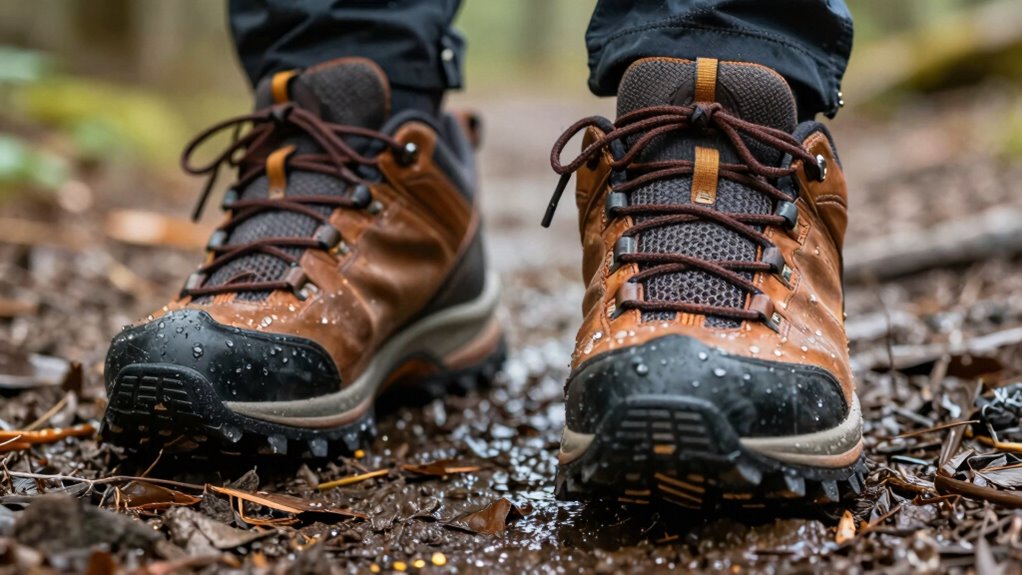
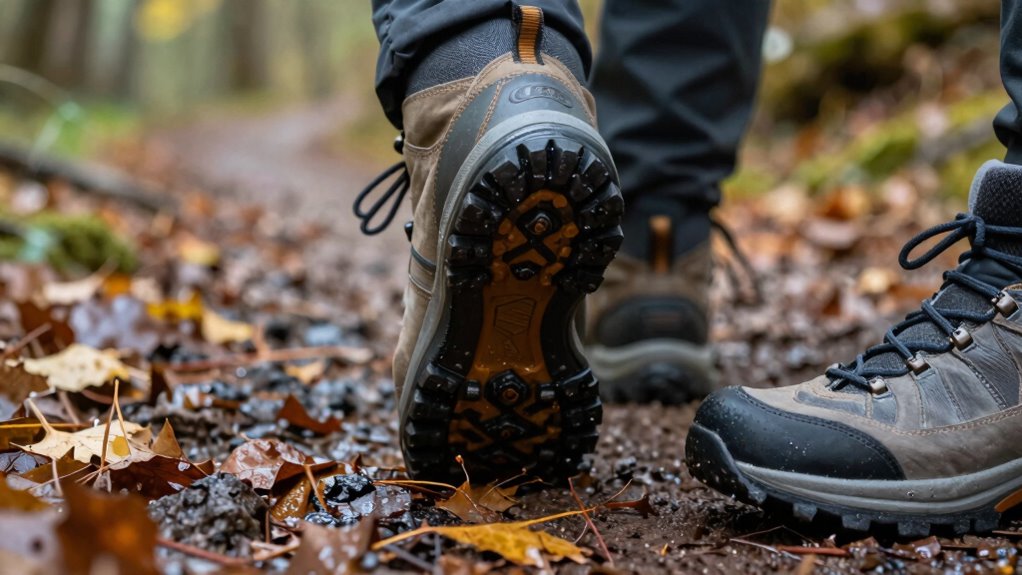
Choosing shoes with good traction and proper support is essential for preventing falls. When selecting footwear, prioritize soles with slip-resistant treads that grip various surfaces. Look for shoes that offer arch support and cushioning to stabilize your feet and reduce fatigue. While fashion trends influence shoe choices, don’t sacrifice safety for style—opt for models with firm soles and supportive structures. Shoe color options matter less for safety but can help match your wardrobe; opt for neutral or darker shades if you want versatility and visibility. Avoid overly flat shoes or those with worn-out soles, as they lose traction and support. Ultimately, the right combination of traction, support, and style will keep you safer and more confident with every step. Additionally, choosing footwear with proper fit can significantly enhance stability and prevent slips. Incorporating footwear with AI-optimized designs that adapt to different surfaces may further improve safety, especially for those at higher fall risk, by providing adaptive traction technology that responds dynamically to changes in terrain. Moreover, selecting shoes with innovative sole patterns can help improve grip on various surfaces, reducing the likelihood of slipping. For added safety, consider footwear that includes non-slip materials designed to enhance grip even on wet or uneven surfaces.
As an affiliate, we earn on qualifying purchases.
When Should You Replace Old or Worn Shoes to Stay Safe
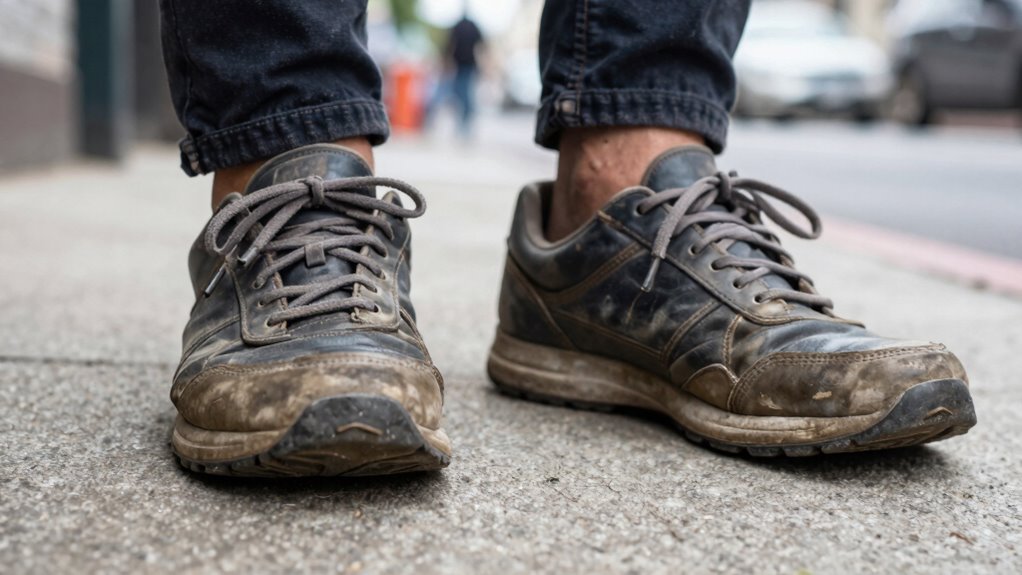
Worn or old shoes can quickly become safety hazards, so it’s important to recognize when they need replacing. Regular shoe rotation helps prevent excessive wear on any one pair, extending their lifespan. As seasons change, seasonal shoe care becomes essential; outdoor conditions like rain or snow can accelerate deterioration. Check for flattened soles, torn uppers, or worn-out treads—these are signs it’s time for new shoes. If your shoes no longer provide proper support or grip, your risk of slipping or falling increases. Proper footwear selection plays a crucial role in maintaining safety and stability during walks. Additionally, paying attention to shoe quality and construction can help identify shoes that are built to last and safer for everyday use. Incorporating shoe maintenance into your routine can further prolong their safe use and performance. Regularly inspecting shoes for signs of material degradation helps catch issues early before they compromise safety. Replacing shoes promptly ensures you maintain safe footing, especially when combined with good shoe habits like seasonal care and rotation. Staying vigilant keeps your walking safe and comfortable.
slip-resistant soles for elderly
As an affiliate, we earn on qualifying purchases.
As an affiliate, we earn on qualifying purchases.
How to Test Shoes for Comfort, Grip, and Stability Before Buying
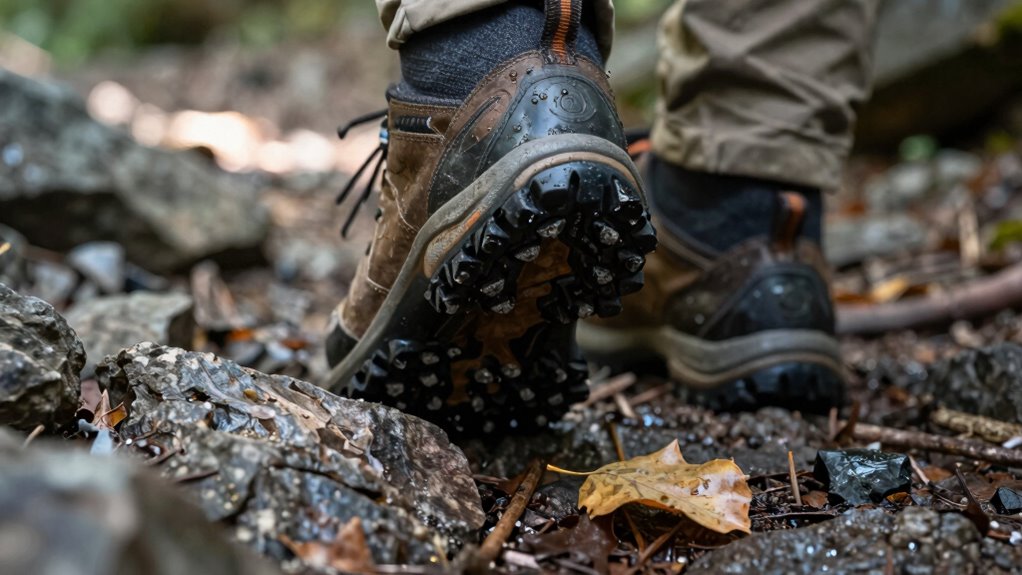
Before committing to a new pair of shoes, make sure to test their comfort, grip, and stability to guarantee they meet your needs. Walk around the store, feeling how the shoe material responds to your movements. Check the grip by stepping onto different surfaces or using textured mats. Stability can be assessed by gently rocking side to side to see if the shoe supports your foot properly. Additionally, consider the contrast ratio of the sole, as a higher ratio can indicate better differentiation between surface textures, enhancing grip and safety. Remember to evaluate the shoe material for breathability and flexibility, which are crucial for overall comfort. Pay attention to the footwear design features that influence how the shoe interacts with various walking conditions. Incorporating proper fitting techniques can further improve safety and comfort during walking. Being aware of the wear pattern on your current shoes can also help identify areas that need more support or cushioning.
Daily Shoe Rules to Prevent Slips, Trips, and Falls During Walks
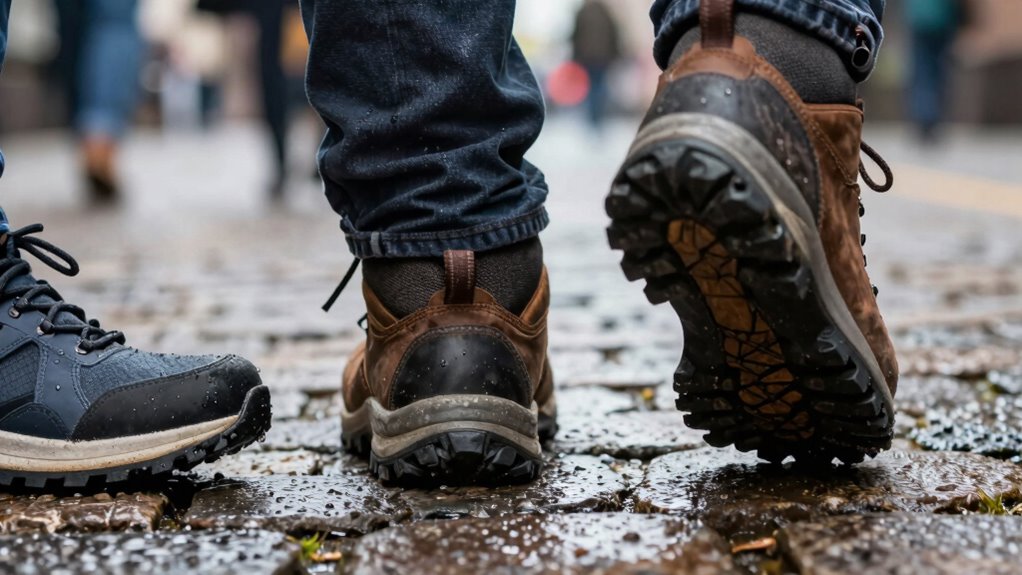
To prevent slips, trips, and falls during your daily walks, it is *essential* to follow simple shoe rules that prioritize safety. Choose shoes that balance shoe fashion with functionality, ensuring they have non-slip soles and secure fit. Avoid trendy shoes with slick or smooth bottoms, especially if you walk at a faster walking speed. Regularly check your footwear for wear and tear, replacing worn-out shoes promptly. Be mindful of your walking environment; adjust your walking speed accordingly and avoid rushing in unsuitable footwear. Proper shoes help you maintain better traction and stability, reducing fall risk. Remember, stylish shoes shouldn’t compromise safety—prioritize footwear that supports your posture and grip, especially during daily walks. Additionally, selecting appropriate footwear for the season can help prevent slips on icy or wet surfaces. Keeping an eye on shoe maintenance can extend the life of your footwear and ensure consistent safety during walks. Incorporating shoes with enhanced grip technology can further improve stability on diverse terrains. Regularly inspecting your shoes for signs of wear and tear ensures optimal safety and performance, and considering proper fitting shoes can significantly reduce the chance of blisters and discomfort that may affect your balance.
Tips for Maintaining Your Shoes to Keep Them Safe and Supportive
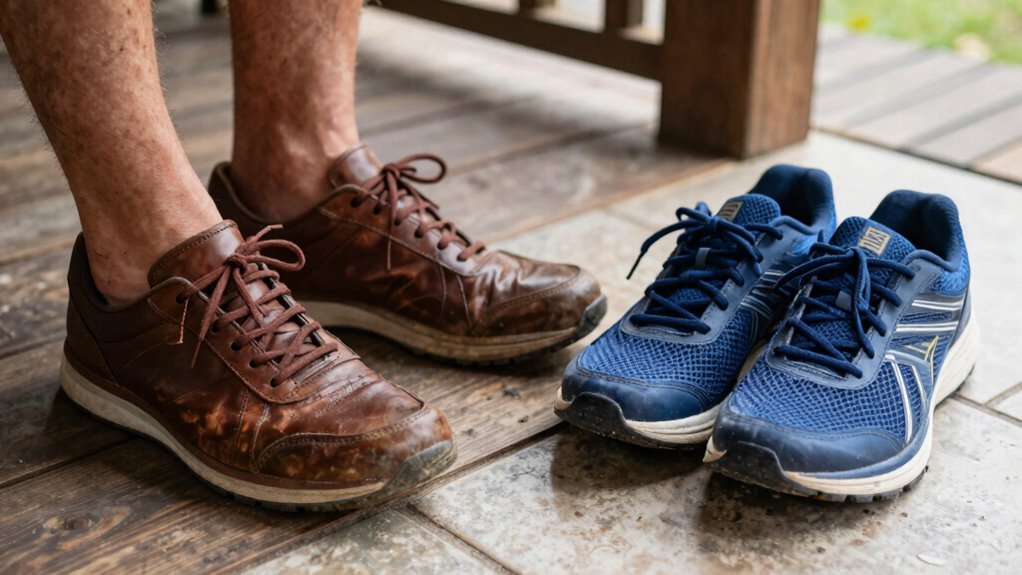
Keeping your shoes in good condition is essential for maintaining safety and support during walks. Proper shoe storage prevents deformities and extends their lifespan, so store them in a cool, dry place away from direct sunlight. Avoid stacking shoes or stuffing them into cramped spaces, as this can distort their shape. Regular shoe cleaning is crucial; remove dirt and debris to prevent wear and deterioration. Use a gentle brush or damp cloth, and let shoes air dry completely before storing. Check the soles and heels periodically for signs of wear, replacing or repairing them as needed. Well-maintained shoes provide better grip and support, reducing the risk of slips and falls. Additionally, paying attention to shoe support features can further enhance safety during walking. Choosing shoes with good arch support and cushioning can also help prevent injuries and discomfort. Properly fitted shoes with adequate cushioning and fit can significantly reduce impact and pressure on your feet, promoting overall walking safety. Taking these simple steps helps ensure your footwear remains safe and supportive for each walk.
Frequently Asked Questions
Are Orthopedic Shoes Always Better for Fall Prevention?
Orthopedic shoes aren’t always better for fall prevention. You need to focus on shoe fit and heel height; shoes that fit well and have a low, stable heel can help prevent falls. While orthopedic shoes often offer extra support, they may be bulky or uncomfortable if not properly fitted. Choose footwear that provides good grip, proper support, and fits comfortably to reduce your fall risk effectively.
Can Insoles Improve Shoe Safety and Support?
A stitch in time saves nine, and adding insoles can be a smart move for shoe safety and support. They enhance arch support and provide cushioning soles, reducing strain and improving stability. By customizing your insoles to your foot’s needs, you reduce your risk of slips and falls. Don’t overlook this simple upgrade—your feet will thank you for the added comfort and safety with every step you take.
How Do Weather Conditions Affect Shoe Safety?
Weather conditions substantially impact shoe safety, especially on slippery surfaces and when your footwear gets wet. Slippery surfaces increase your risk of slipping, so choose shoes with good traction and avoid smooth soles. Wet footwear can reduce grip and cause discomfort, making falls more likely. Always dry your shoes after exposure to rain or snow, and consider waterproof options for added safety in wet conditions.
Do Fashionable Shoes Compromise Walking Safety?
Fashionable shoes often prioritize trends and aesthetics over safety, increasing your fall risk. For example, wearing high heels for style may look great but can cause instability on uneven surfaces. As fashion trends focus on shoe aesthetics, you might compromise grip and support, making walking less safe. Always balance style with comfort and stability, especially if you walk regularly or in challenging environments.
Are Waterproof Shoes Safer Than Regular Ones?
Waterproof shoes can be safer than regular ones because they offer waterproof benefits, keeping your feet dry and reducing the risk of slipping on wet surfaces. Additionally, many waterproof shoes are designed with slip resistance, providing better grip and stability. This combination helps prevent falls, especially in rainy or damp conditions. So, investing in waterproof, slip-resistant footwear can enhance your safety during walks in wet environments.
Conclusion
To stay safe on your walks, remember the shoe rules of yore—think of them as your trusty armor against slips and trips. Regularly check your shoes for wear, verify they have good grip and support, and keep them well-maintained, just like a knight caring for their armor. By following these simple tips, you’ll avoid falling into the trap of neglect and enjoy every step with confidence, no matter if it’s 2023 or the age of chivalry.